

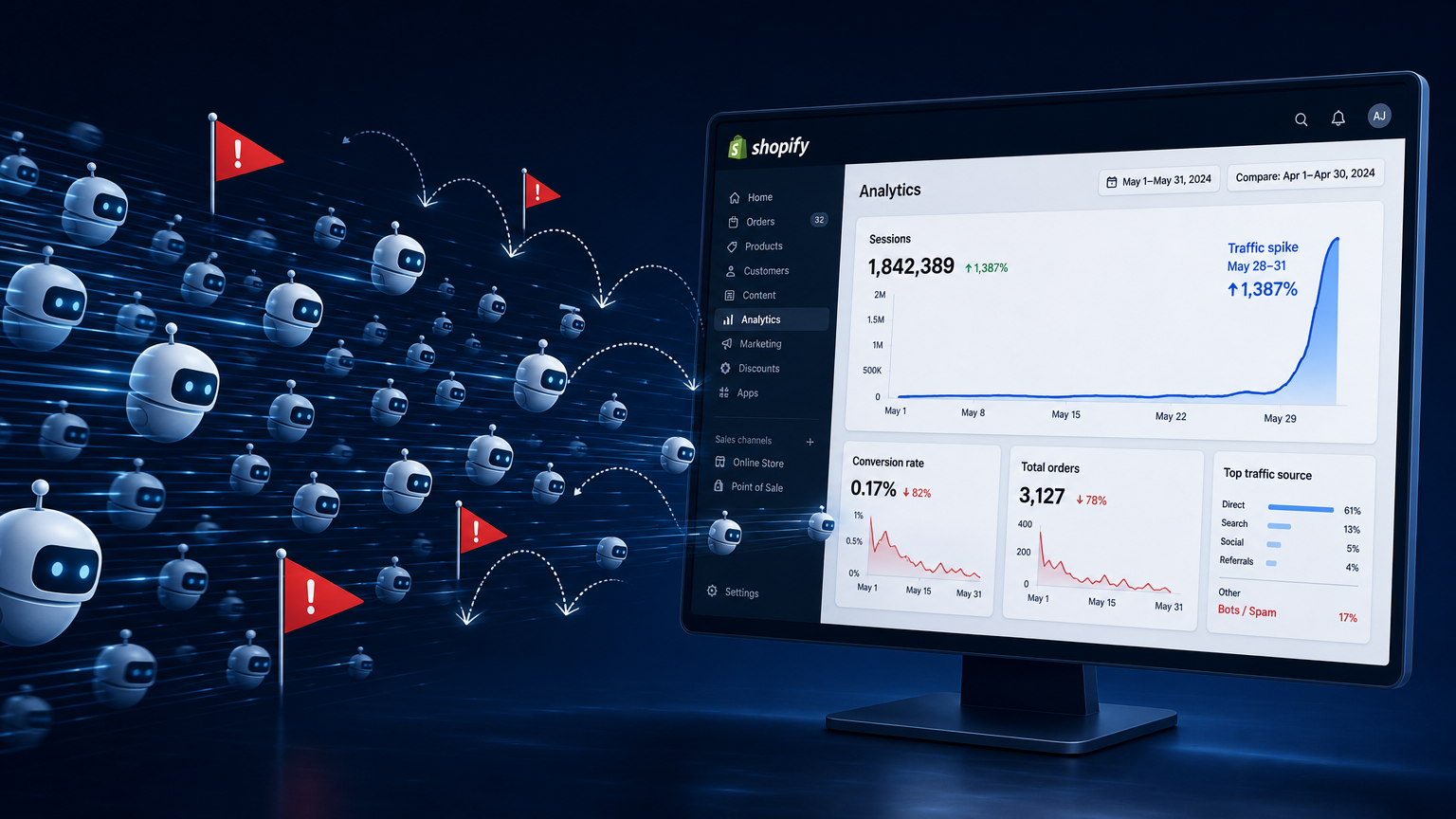

Synthetic Identity Fraud: The Threat That Looks Completely Legitimate
Synthetic identity fraud is not about stealing someone's identity. It's about building one.
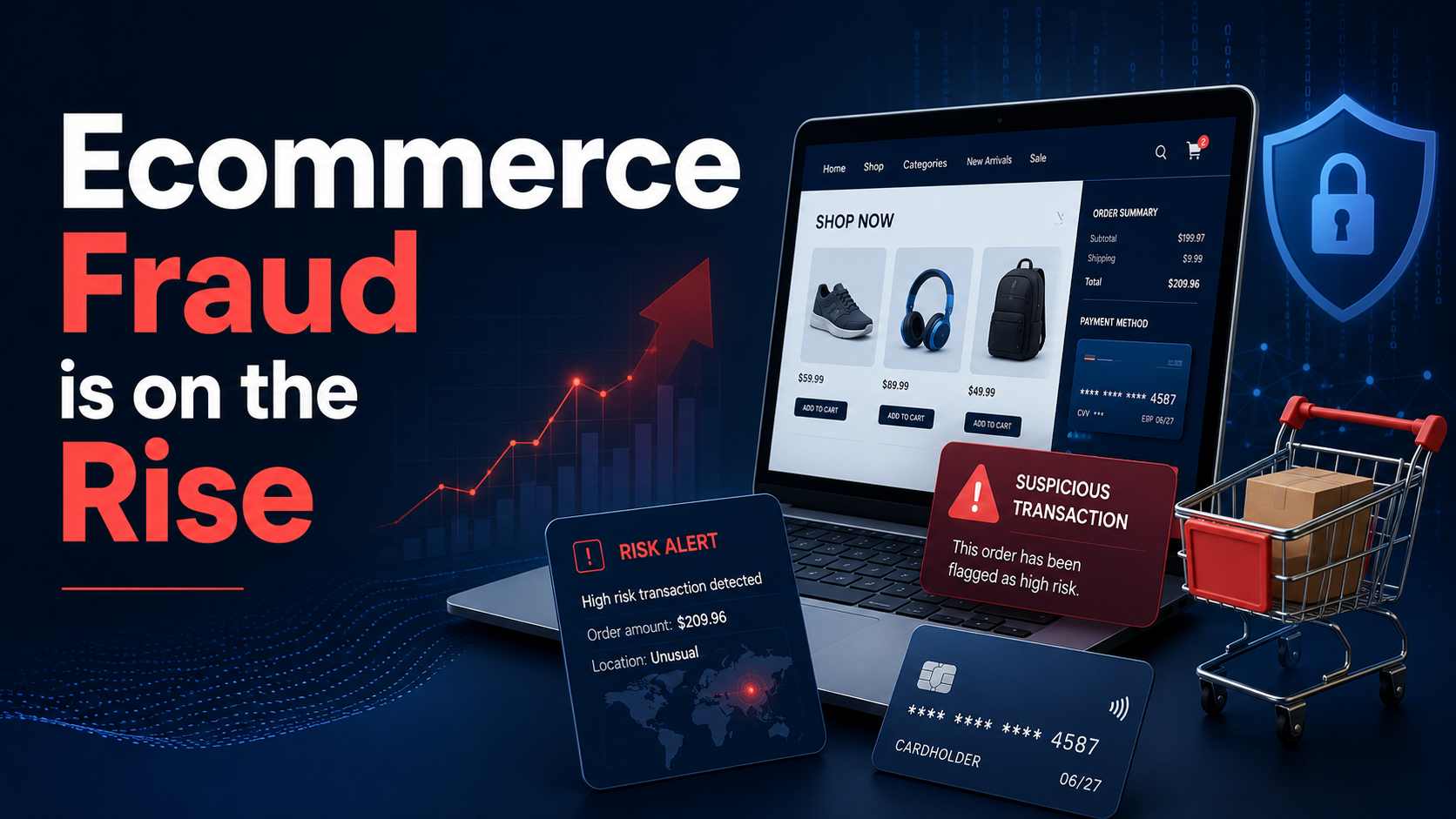

5 ClearSale Alternatives for Shopify Stores in 2026
After spending $3,000 to $4,000 per month on ClearSale while running my own ecommerce business, I learned that not every Shopify store needs the same fraud prevention solution. Here's a look at the best ClearSale alternatives for 2026 and how to choose the right option for your store.
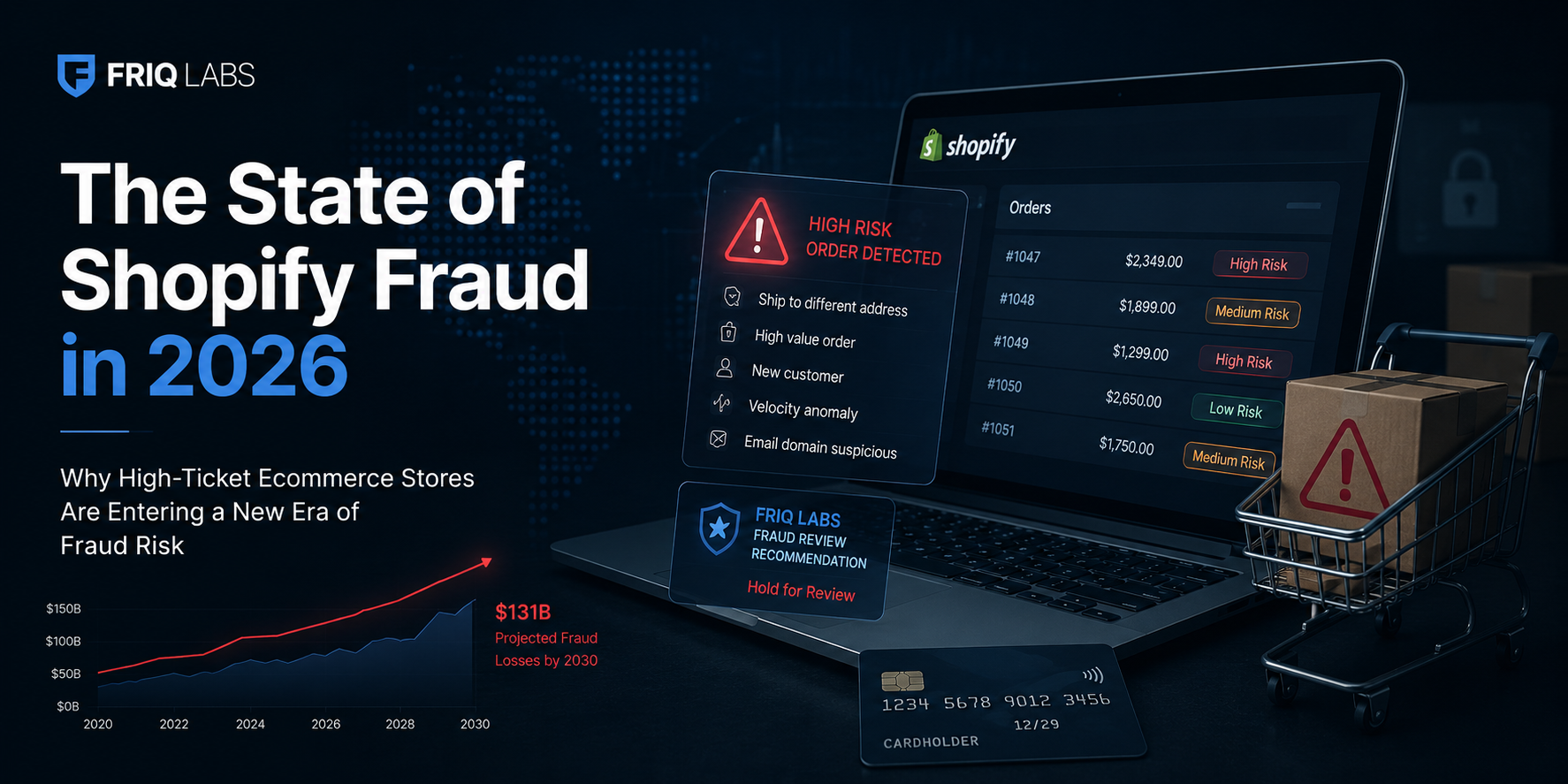
The State of Shopify Fraud in 2026
Ecommerce fraud is entering a new phase.
For years, many Shopify merchants treated fraud as a manageable background issue. That is changing quickly. Fraudsters are becoming more organized, more automated, and more convincing. At the same time, chargebacks, refund abuse, and high-risk transactions continue rising across ecommerce.
The problem is especially serious for high-ticket Shopify stores. One fraudulent order can erase the profit from dozens of legitimate sales.
According to industry projections, fraudulent ecommerce transactions are expected to surpass $131 billion globally by 2030. Meanwhile, chargeback volumes and refund abuse continue accelerating as online commerce grows.
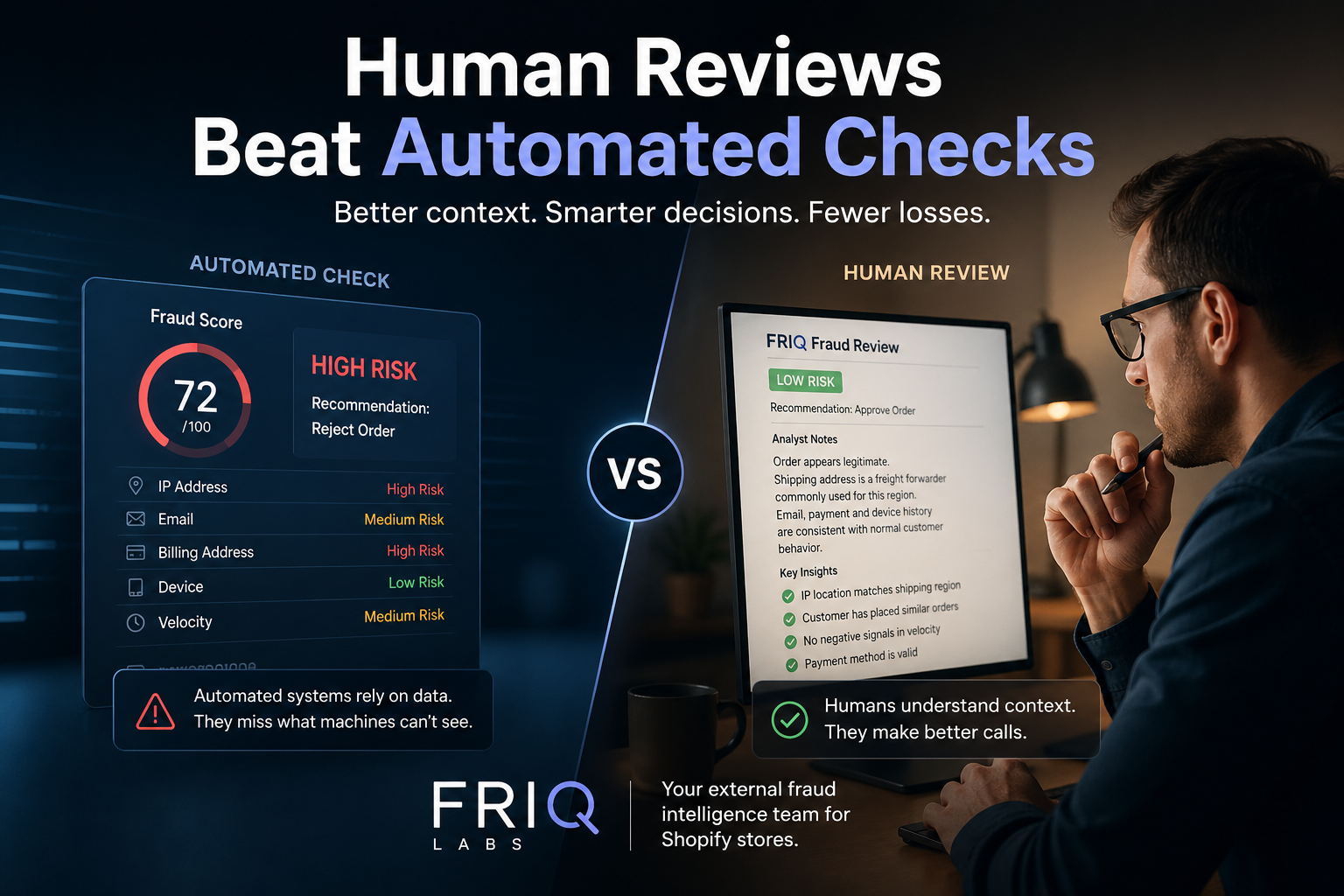
Why Human Fraud Reviews Beat Automated Checks
Most Shopify stores rely on automated fraud checks, but automation alone often misses high risk orders or flags legitimate customers. This article explains why human fraud review adds the context and judgment needed to make better decisions and avoid costly mistakes.
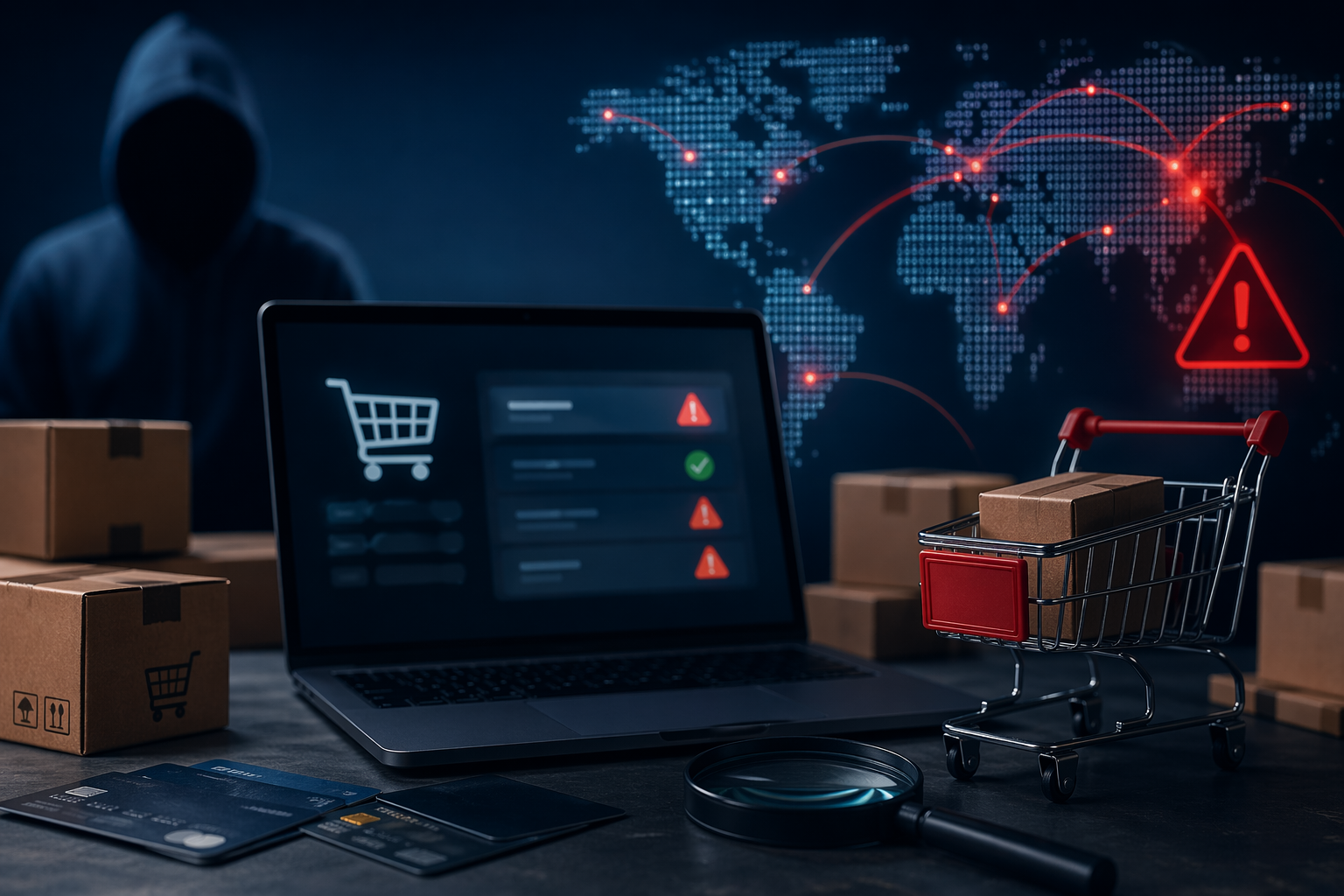
The State of Ecommerce Fraud in 2026
Ecommerce fraud is evolving fast—and most Shopify stores are unprepared. As scams become harder to detect and chargebacks more expensive, relying on basic fraud tools is no longer enough. Here’s what’s changing in 2026, and how merchants can protect their margins before it’s too late.
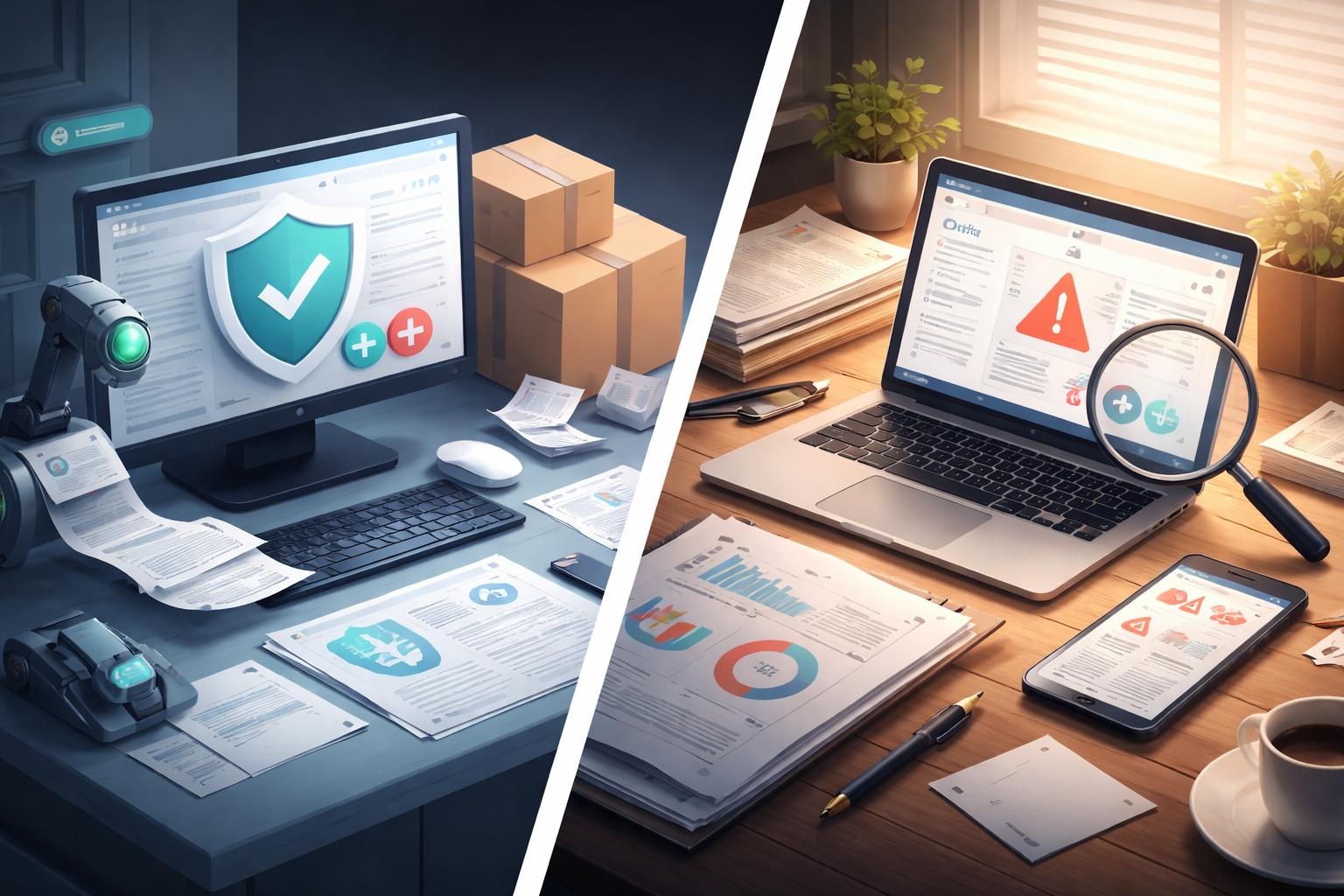
ClearSale vs FRIQ Labs: What’s the Right Fraud Protection Strategy for High-Risk Shopify Orders?
Most fraud tools give you a yes or no decision. But is that enough? This article explores the difference between automated fraud prevention and intelligence-driven analysis for Shopify merchants.
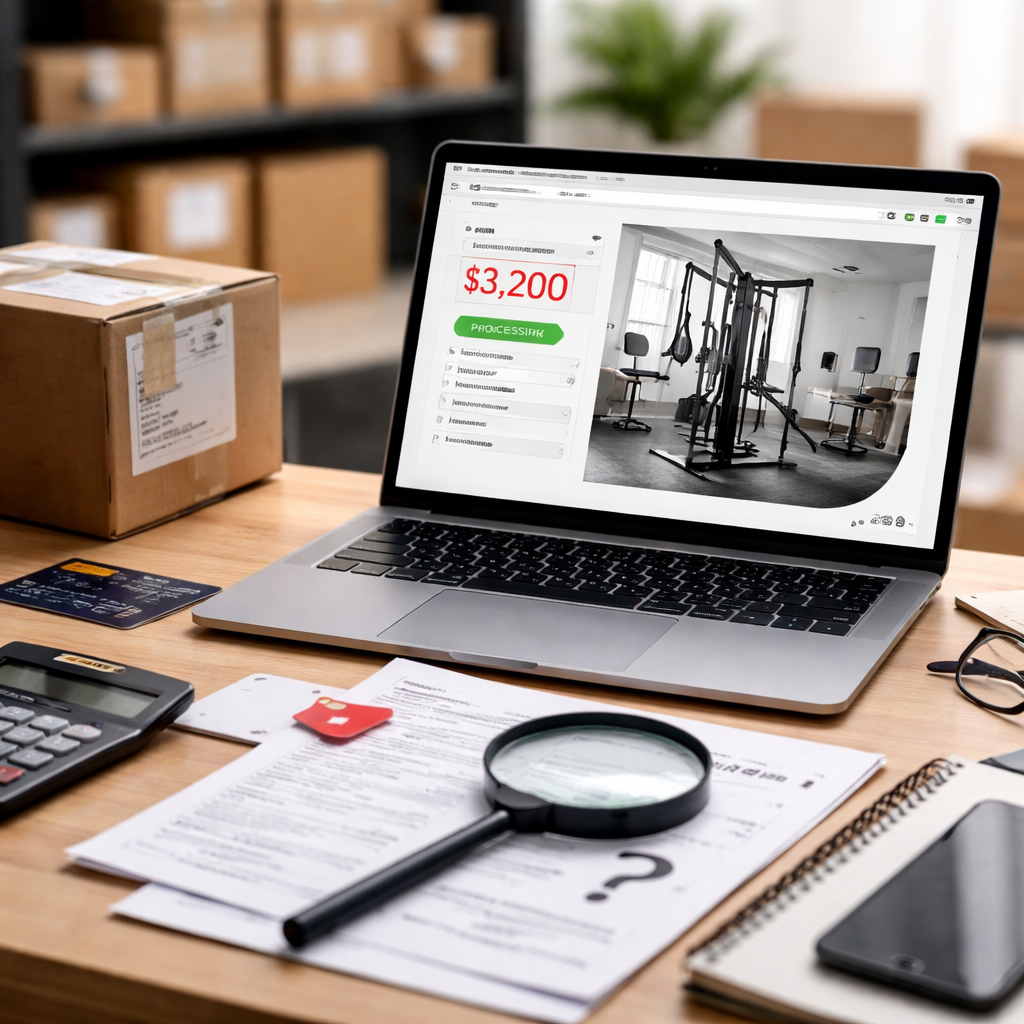
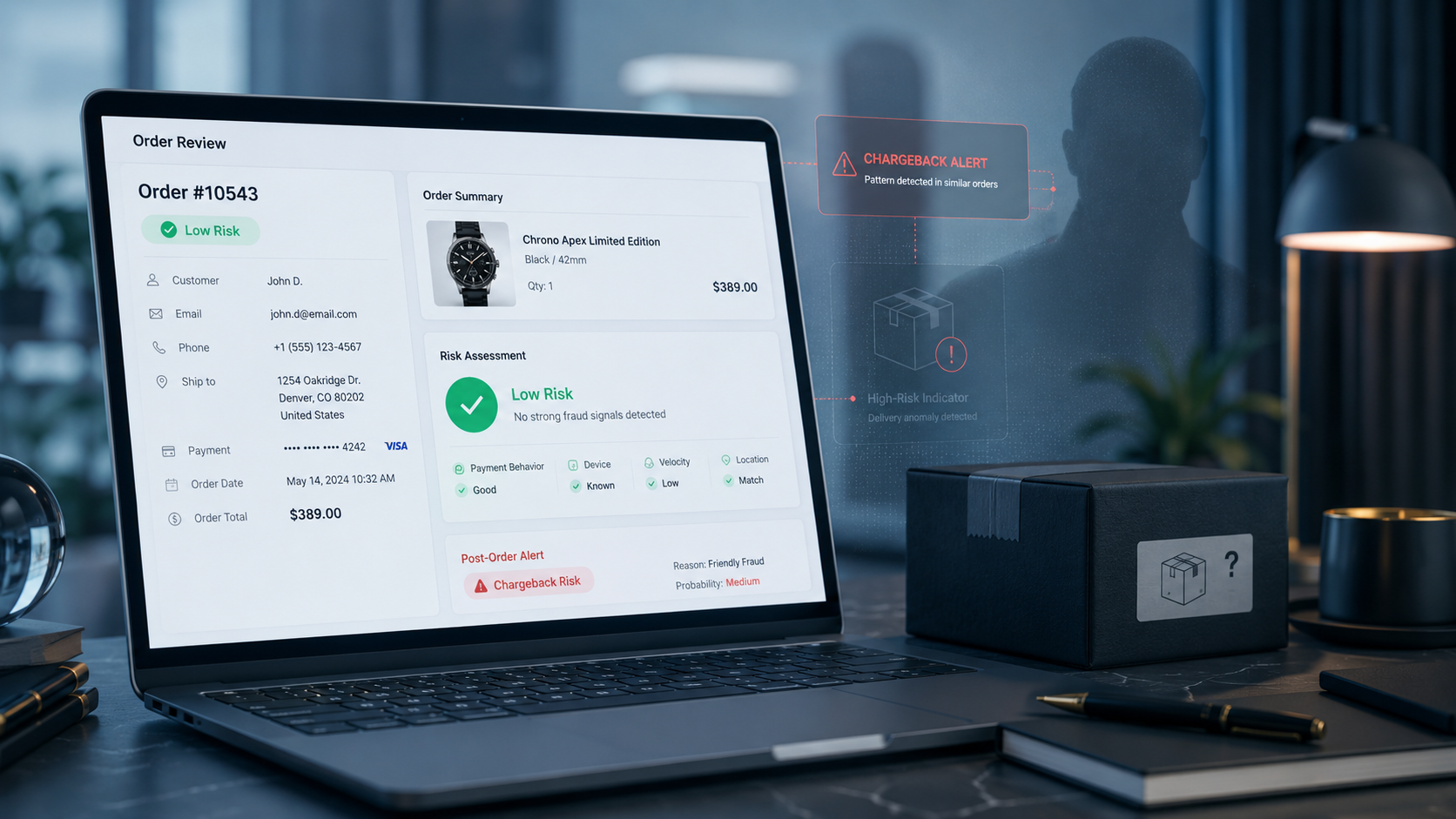
The $3,200 Order That Looked Legit (Until It Was Too Late)
A $3,200 Shopify order looked completely legitimate until it turned into a costly chargeback. Here is what actually happened, the hidden fraud signals that were missed, and how ecommerce stores can avoid the same mistake.
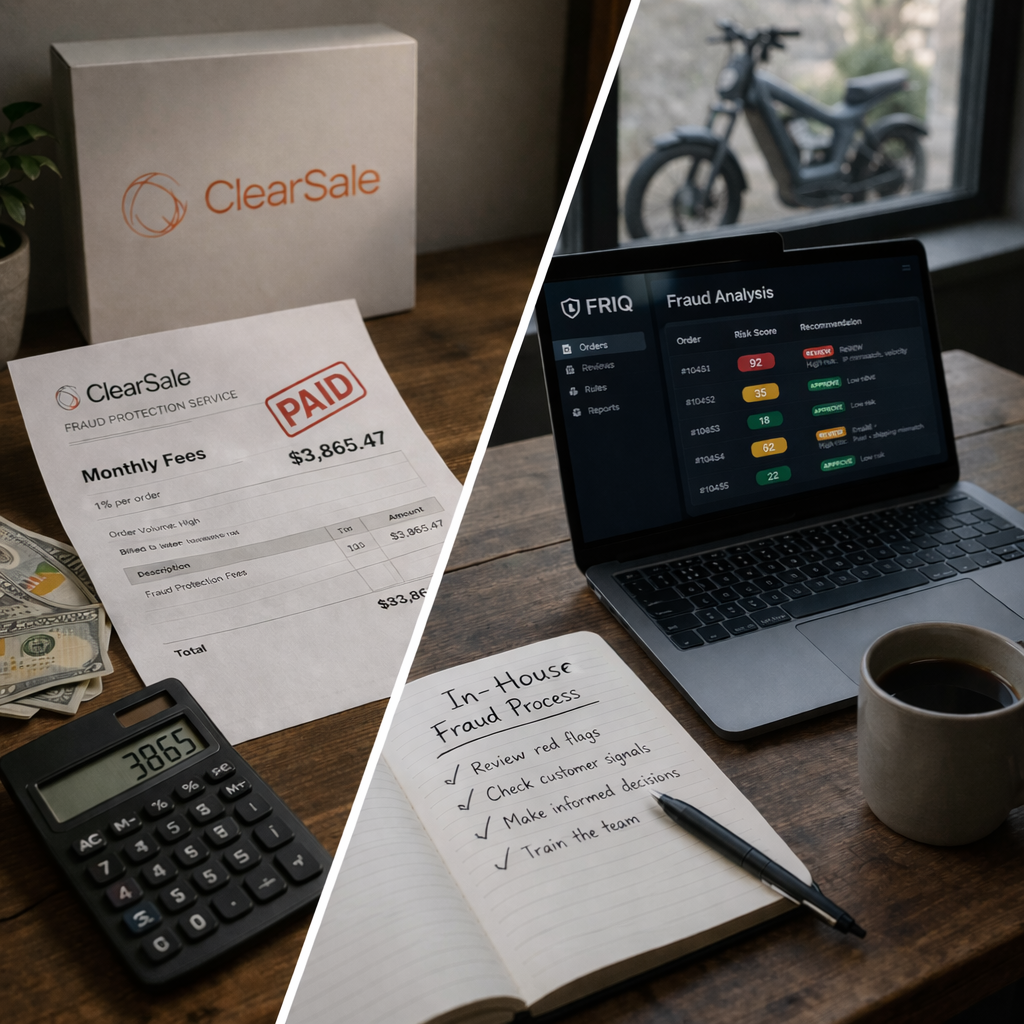
How I Went from Paying $4,000/Month for Fraud Protection to Building My Own System
I went from paying $4,000 a month for fraud protection to building my own in-house system for a fraction of the cost. What started as a cost problem turned into a smarter, more controlled way to manage risk—and ultimately led to the creation of FRIQ.
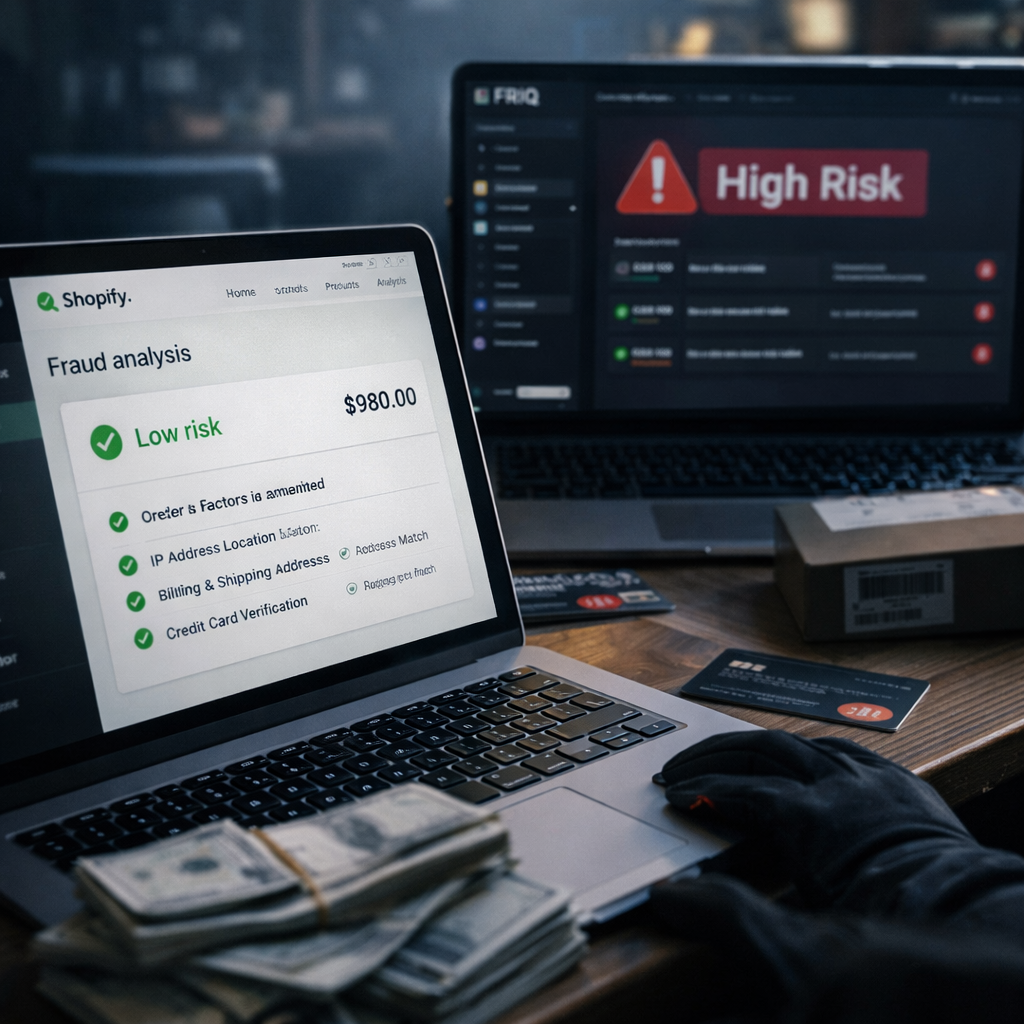
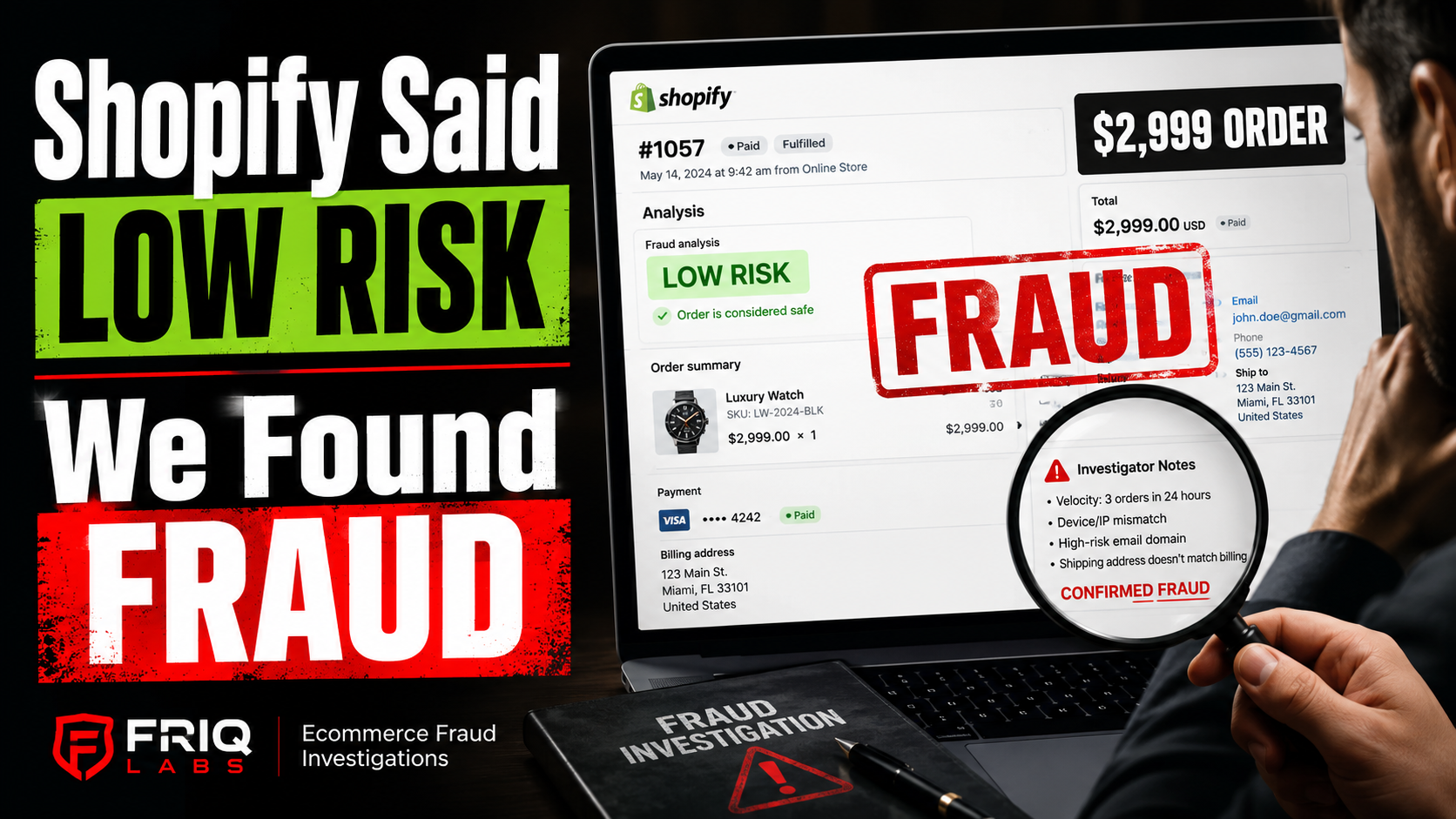
Why Shopify’s Fraud Analysis Is Not Enough for High Value Orders
Shopify’s built in fraud checks catch the obvious cases but miss the ones that actually cost you money. Here is why high value orders need a smarter layer.
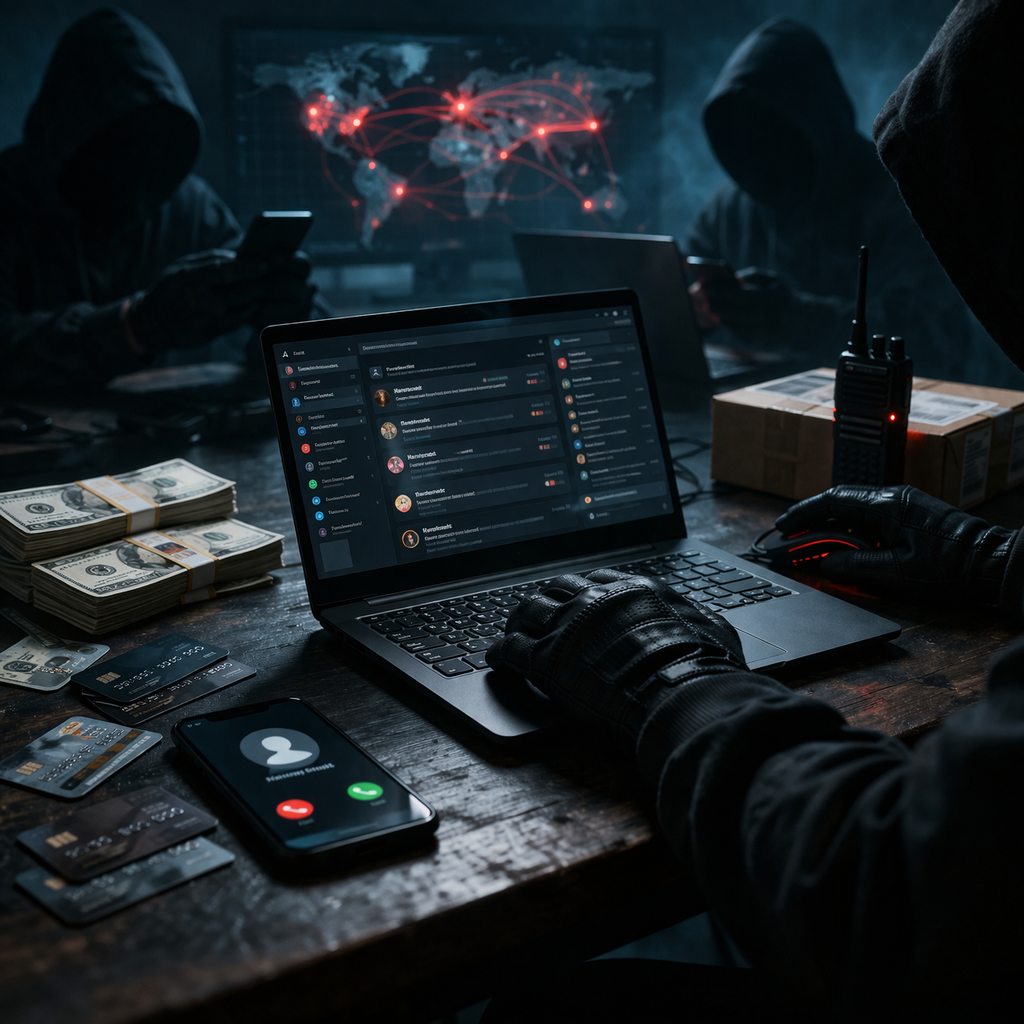
Why Getting Hit by Fraud Once Makes You a Bigger Target
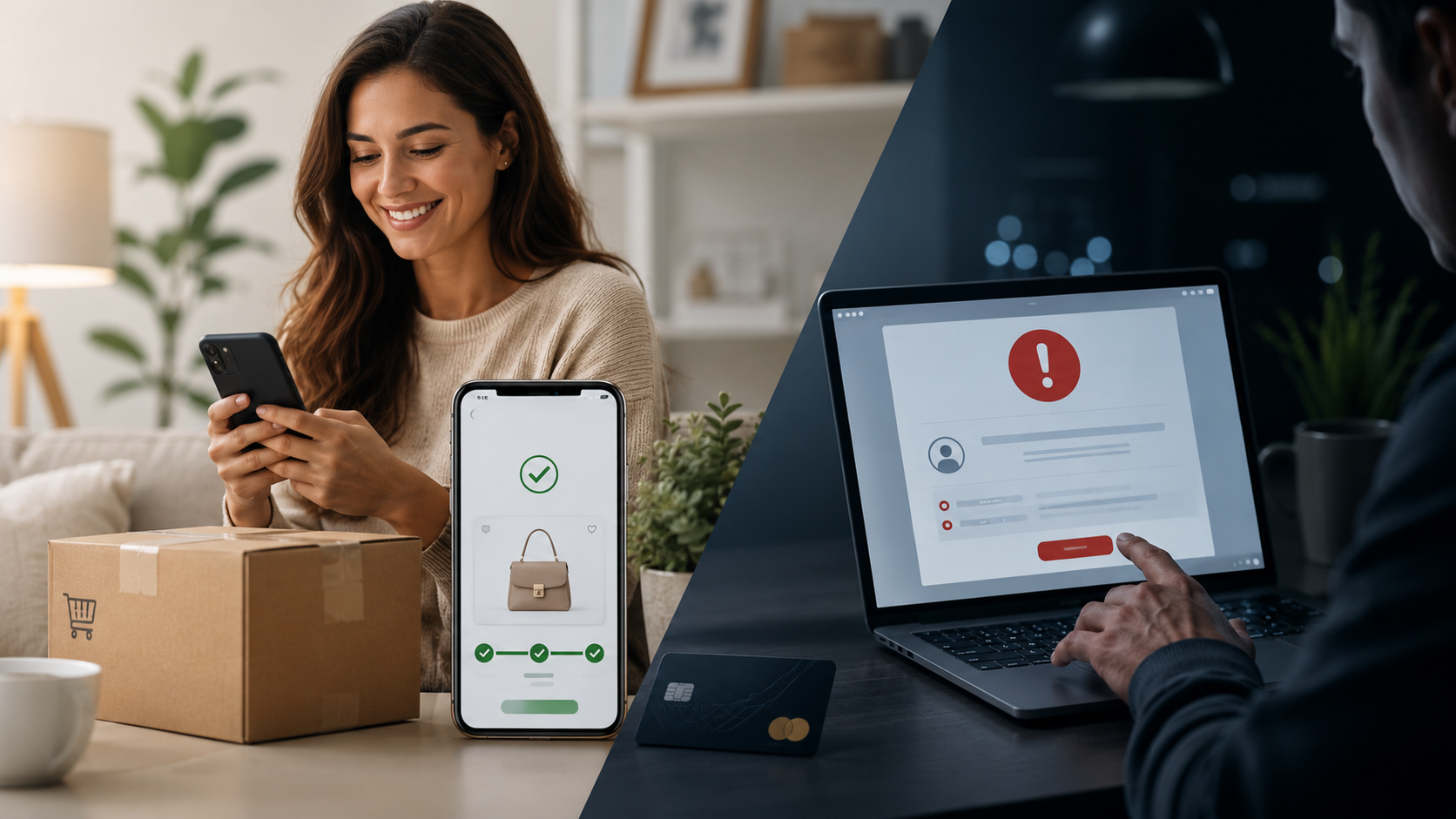
Fraud is not random. Once your store gets hit successfully, it can quickly become a target for repeated attacks as scammers share what worked.
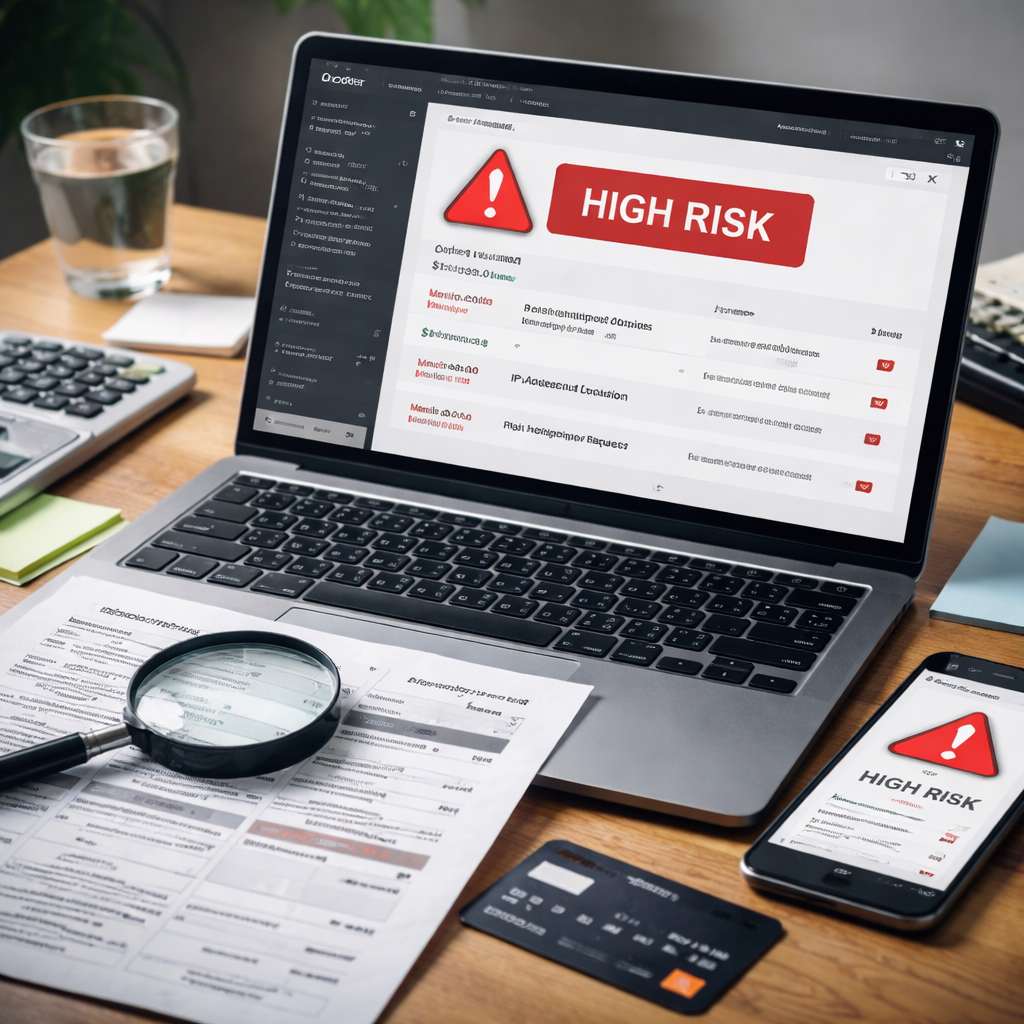
How to Spot a Fraudulent Shopify Order Before You Ship
Fraudulent orders are not always obvious. Learn the key warning signs Shopify stores miss and how to avoid costly chargebacks before you ship.